The Night the Veil Grows Thin
Halloween isn’t just a holiday, it’s one of the oldest surviving connections between the living and the dead. Each year, on October 31st, we decorate our homes with ghosts, skeletons and candles without realising we’re echoing ancient rituals meant to protect against spirits and honor the departed.
For paranormal researchers and history lovers, Halloween offers more than just a chance for scares. It’s a living reminder of how humanity has always tried to understand, communicate with and protect itself from the unseen world.
To truly appreciate the paranormal, we have to understand where it all began, and Halloweens history is where much of it started.
The True Origins of Halloween: Samhain and the Spirit World
Long before Halloween was celebrated with pumpkins and candy, it began as Samhain (pronounced sow-in), the most significant festival in the ancient Celtic calendar.
Samhain marked the end of the harvest season and the start of the cold, dark months, symbolically the death of the year. The celts believed that during this transition, the veil between the living and the dead was at its thinnest, allowing spirits to walk freely among them.
Families would:
- Light massive bonfires to ward off evil entities.
- Leave offerings of food and drink outside their doors for ancestral spirits.
- Wear animal skins and masks to disguise themselves from the wondering souls.
This wasn’t about fear, it was about balance. The Celts respected the dead and sought harmony with the spiritual world. In many ways, it was the first documented exampled of what modern paranormal investigators call energy awareness, understanding that unseen forces can influence our world.
From Pagan Festival to Christian Holiday: The Birth of Halloween
As christianity spread across Europe, it encountered pagan traditions like Samhain. Rather than erase them, the church adapted and absorbed them. In the 8th century, Pope Gregory III designated November 1st as All Saints Day, a time to honor holy spirits, and October 31st became known as All Hallows Eve, eventually shortened to Halloween.
Despite this shift, the old ways persisted. Bonfires still burned. People still told ghost stories and wore disguises to ward off spirits. The church might have changed the name, but the spiritual energy of Samhain refused to fade.
This blending of beliefs created a unique duality, one half religious, one half mystical, and Halloween became a night where heaven and the otherworld briefly touched.
For paranormal historians, this era marks a fascinating time of cultural transformation, where ancient energy work, spiritual protection and reverence for the dead survived under new names.
Why We Wear Costumes, Carve Pumpkins and Light Candles
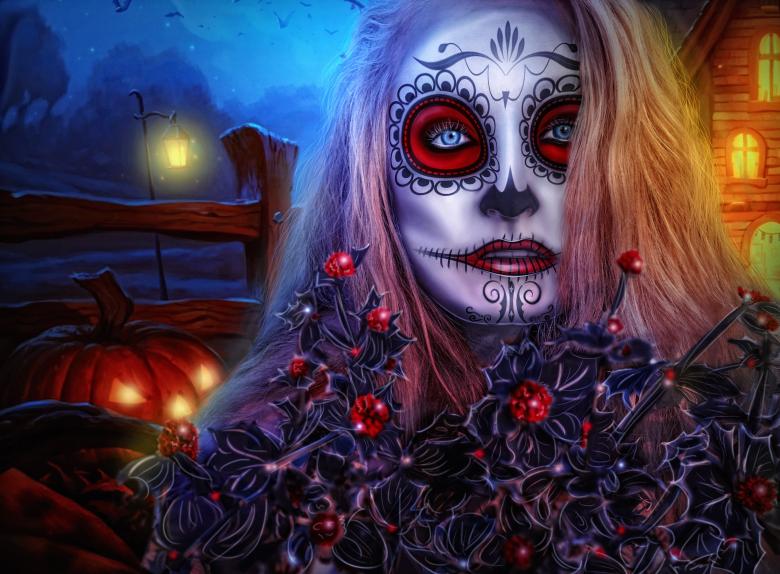
Halloweens most recognizable traditions are rooted in ancient protective rituals:
Costumes and Masks
The Celts disguised themselves so that malicious spirits would mistake them for other entities and pass them by. Today, costumes are playful, but they still echo the ancient idea of concealing your identity from unseen forces.
Jack-O-Lanterns
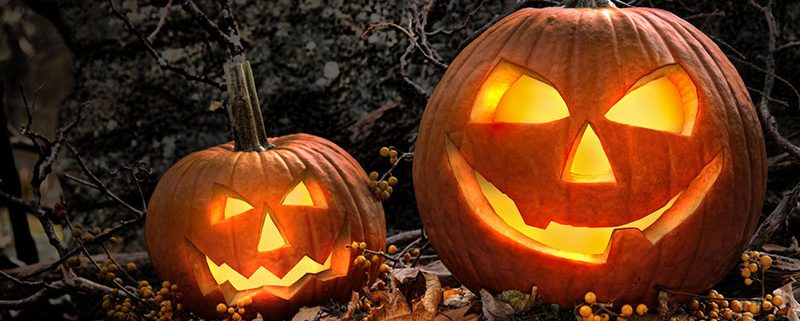
Before pumpkins, people carved turnips and beets in Irseland and Scotland. The story of stiingy Jack, a trickster soul doomed to wander the earth with only a glowing coal, became a moral and supernatural warning. Lighting these lanterns was believed to protect homes from evil spirits.
Bonfire and Candles
Bonfires were believed to purify the air and protect communities. People carried embers from the sacred fires back to their homes to rekindle hearth flames, symbolizing life and protection through the dark season.
Even today, many investigators light candles during seances or cleansing rituals, continuing a spiritual tradition that stretches back thousands of years.
Trick-or-Treating: The Souls Exchange
Trick-or-treating isn’t just a modern invention, it’s the descendant of ancient souling and guising traditions.
During medieval times, the poor would go door to door on All Hallows Eve, offering prayers for the dead in echange for small “soul cakes”. Some dressed in costumes to represent wandering spirits, asking for offerings to appease them.
In the early 20th century, as these customs reached America, they evolved into trick-or-treating, a blend of Celtic, Christian and folk traditions. While we now trade candy instead of prayers, the act still represents a connection between the living and the dead, a symbolic offering that echoes Samhains roots.
The Veil Between Worlds: A Paranormal Perspective
In paranormal research, the concept of a “thinning veil” remains one of the most discussed phenomena. Many investigators report an increase in activity during late October and Early November, a time when, according to ancient belief, spiritual energy flows most freely.
But why might that be?
- Collective Focus: Millions of people simultaneously direct attention to spirits, death and remembrance, potentially amplifying psychic energy.
- Seasonal Energy Shifts: Changes in temperature, himidity and electromagnetic conditions may create conditions conductive to manifestations.
- Tradition and Intention: For thousands of years, people have markes this time as sacred, that consistent belief alone may create a recurring energetic pattern.
For modern investigators, Halloween isn’t just symbolic, it’s energetically potent. Whether or not you believe in a literal thinning of the veil, the season underniably carries a spiritual charge unlike any other time of year.
Why Understanding Halloweens History Matters for Paranormal Researchers
Understanding the history of Halloween isn’t just academic, it’s essential for ethical and effective paranormal research.
Here’s why:
- Contect Deepens Understanding: Knowing the origins of symbols and rituals helps investigators interpret experiences more accurately. For example, seeing a carved lantern or a circle of stones at a haunted site might indicate protective rituals, not dark magic.
- Respect for Ancient Beliefs: The Celts and early Christians viewed death as a transition, not an end. Recognizing this can help modern researchers approach hauntings with empathy and respect for the spiritual traditions that preceded them.
- Patterns of Paranormal Phenomena: Historical records show that beliefs about the dead returning, energy surges and seasonal hauntings are consistent across cultures. Studying Halloweens history reveals universal human responses to death and the unknown.
- Cultural Awareness: Investigating with historical knowledge prevents misinterpretation of sacred customs, a vital step in ethical paranormal fieldwork.
Halloween Around the World: Global Echoes of Samhain
Halloween isn’t the only festival that honors the dead, similar traditions appear across the globe, reinforcing that this connection between life and death is deepy human.
- Dia de los Muertos (Mexico): A joyful celebration welcoming the spirits of loved ones home.
- Obon (Japan): Lanterns are lit to guide ancestral spirits back to the other side.
- Pitru Paksha (India): Families honor their ancestors with offerings and prayers.
- All Souls Day (Europe): A christian observance rooted in the same beliefs as Samhain.
Each of these reflects the same core truth: Humanitys enduring desire to connect with and honor the spirit world.
The Eternal Spirit of Halloween
From Samhain fires to suburban porches lined with pumpkins, Halloweens essence remains unchanged, it’s a night when the world acknowledges that the boundary between life and death is fragile.
For paranormal researchers, it’s the perfect time to reflect on why we investigate:
To understand what lies beyond.
To honor those who came before.
To keep alive the traditions that remind us we’re never truly alone.
When you light a candle, carve a pumpkin or feel the energy shift on Halloween night, remember: you’re continuing a ritual thousands of years old, one that connects you to the same forces the Celts once respected.
So celebrate wisely, investigate respectfully and never forget: Halloween isn’t just about ghosts, it’s about remembering that the veil is never completely closed.
Stay Curious, Stay Respectful and Keep Searching for the Truth Behind the Haunt!
If you love uncovering the supernatural side of history, explore more of our paranormal deep dives:
4 thoughts on “The Truth Behind Halloween: Paranormal Origins, History and Why it Still Matters”