Demonology is one of the most complex, misunderstood and frequently sensationalised areas of paranormal study. Popular culture often portrays demonology as a confrontational practice involving summoning rituals, dramatic exorcisms and violent manifestations. While these depictions may be effective for entertainment, they bear little resemblance to how demonology has historically been understood or responsibly studied.
At Paranormal Down Under, demonology is approached as a field of knowledge shaped by centuries of theology, folklore, cultural belief systems and recorded human experience. It is not about seeking out darkness or attempting control over unknown forces. Instead, demonology exists to help us understand how different cultures have identified, intepreted and protected themselves from what they believed to be non-human malevolent intelligences.
This post serves as the foundational introduction to demonology and acts as the gateway to our ongoing demonology series, which will explore this subject in depth with clarity, caution and respect.
What is Demonology?
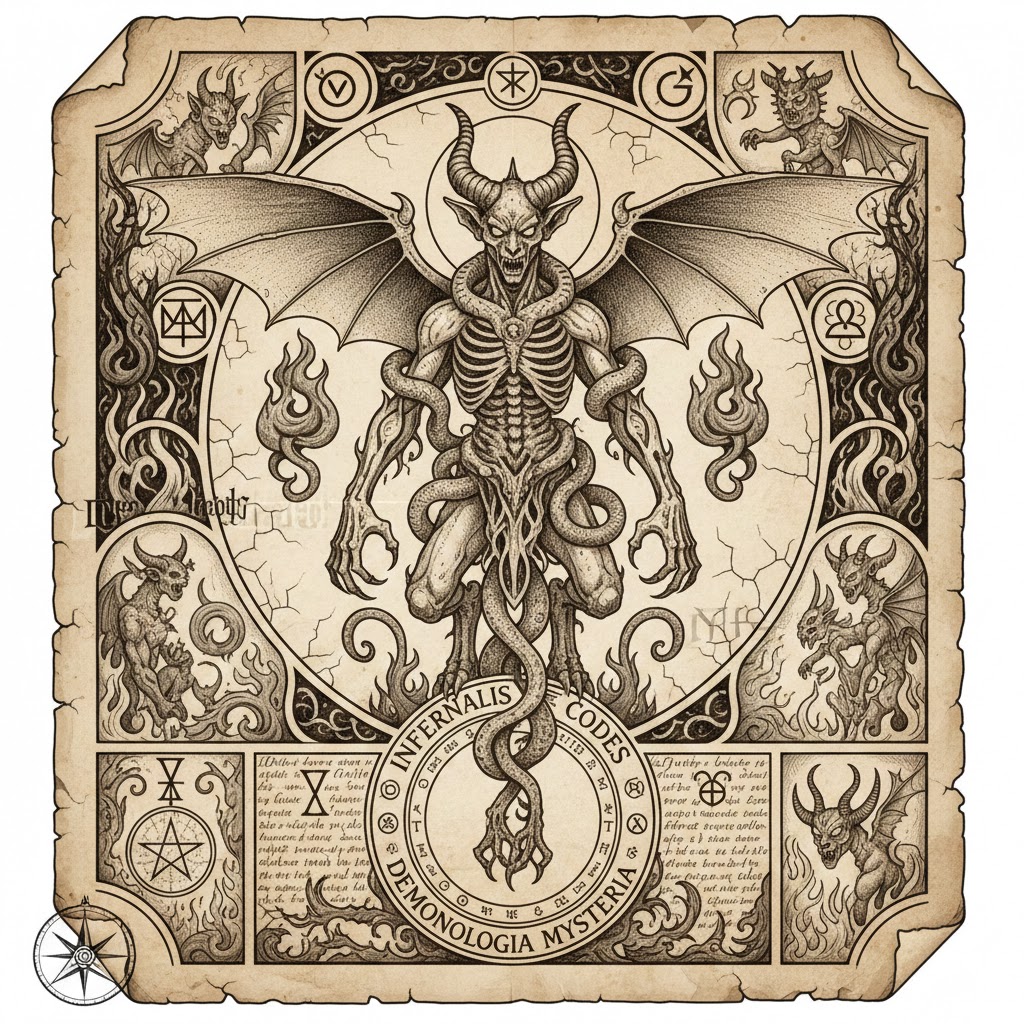
Demonology is the structured study of demons and demonic entities – beings believed to be non-human intelligences that exist outside the physical world and beyond the cycle of human life and death. Unlike spirit communication or historical hauntings, demonology focuses on entities described as autonomous, ancient and capable of influence rather than simple manifestation.
Demonology examines how these entities are defined, classified and understood across cultures and belief systems. It looks at how influence is believed to occur, how encounters have historically been documented and how protection has been sought. Above all, demonology is rooted in observation, warning and prevention, not interaction.
It is a discipline rooted in observations, documentation and warning, not interaction.
The Difference Between Demons and Spirits
A critical element of demonology is understanding that demons are not ghosts. Human spirits are the deceased, often tied to places, memories or emotional events. Demonic entities, by contrast, are described as never having been human and are not bound to physical locations in the same way.
Many demonological traditions warn that demonic entities may imitate spirits, guides or familiar presences as a form of deception. This ability to misrepresent themselves is one of the reasons demonology places such importance on identification and discernment.
Demonology is Not About Summoning or controlling demons
One of the most persistent myths surrounding demonology is the belief that it exists to teach people how to summon, command or control demons. This misconception is almost entirely the result of modern television, horror films, sensationalised media and AI written blogs online, where ritual and confrontation are exaggerated to increase fear and drama.
Historically, demonology has never focused on summoning or control. Traditional demonological study centres on recognition, avoidance and protection, not engagement. Most belief systems strongly warn against attempting to interact with or provoke non-human entities, viewing such behaviour as reckless rather than powerful.
Demonology exists to help people understand what to avoid, not how to invite it.
Origins of Demonology Across Cultures
Demonological beliefs predates modern religion and appears in nearly every ancient civilisation. Early cultures recorded entities believed to cause illness, madness, misfortune or spiritual disruption. These records were not created for storytelling or entertainment; they were survival frameworks designed to explain danger and offer protection.
From Mesopotamian illness demons to Egyption chaotic forces and Jewish spiritual adversaries, humanity has consistently described encounters with intelligences believed to exist outside the human realm. Despite cultural differences, many of these accounts share striking similarities.
Medieval Demonology and the Development of Classification
During the Middle Ages, demonology became increasingly structured within religious scholarship. Entities were categorised, ranked and studied for patterns of influence. Hierarchies, archetypes and stages of spiritual corruption became central themes.
While many medieval texts reflect fears and limitations of their time, they also established concepts – such as attachment, temptation and escalation – that remain relevant in demonological study today.
The Role of Belief, Fear, and Psychology
Modern demonology acknowledges that belief plays a powerful role in how experiences are interpreted. Fear, expectation, trauma and suggestion can all shape perception. Responsible demonological study stresses the importance of psychological and medical explanations before paranormal conclusions are considered.
Understanding demonology requires both spiritual literacy and critical thinking. It is not about replacing one explanation with another, but about understanding how belief and experience intersect.
What You Can Expect in the Paranormal Down Under Demonology Series
This introductory article forms the foundation for a carefully structured demonology series, designed to educate rather than sensationalise. Each post will build on the last, creating a clear and responsible progression through the subject.
Topics Covered in this Series Include:
- What is Demonology?
A deeper exploration of demonology as a discipline, including its historical foundations, key principles and how it differs from general paranormal study. - What Demonology is Not
A focused examination of common myths, including summoning rituals, control narratives and why modern media has misrepresented demonology so heavily. - Cultural and Religious Demonology Across the World
An in-depth look at how different cultures and religions define demons, dark entities and malevolent forces, highlighting similarities and key difference. - Archetypes and Hierarchy
An exploration of recurring demonological archetypes, classifications and hierarchical structures found across belief systems. - Half-demons and Hybrid Beings
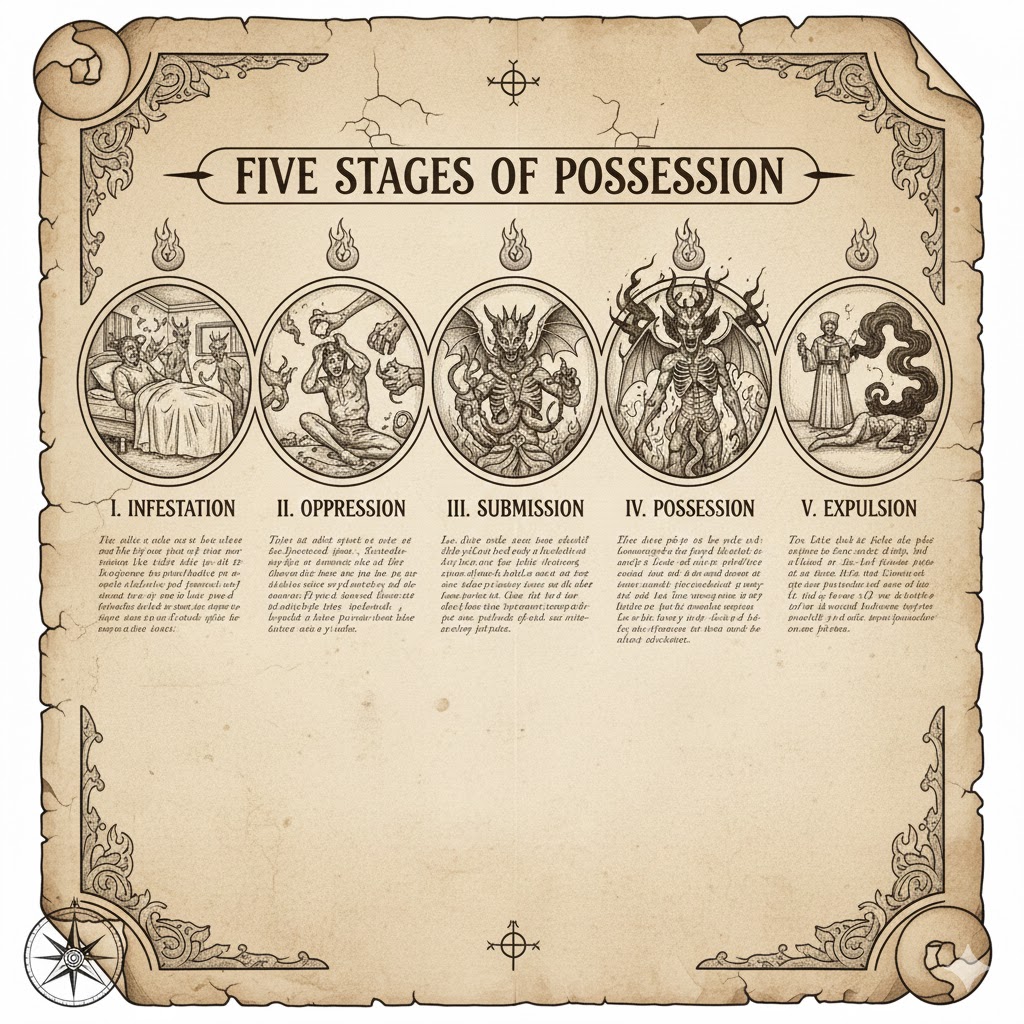
A careful discussion of entities described as part-human, part-demonic or hybrid in folklore and theology, and how these concepts evolved. - Posession and the Stages
An examination of possession, oppression, infestation and attachment, including how influence is believed to escalate over time. - Protection Symbols and Belief-Based Safeguards
A study of protective symbols, rituals and belief systems used across cultures to prevent or counter unwanted influence. - Exorcisms and Helping with Attachments
An educational overview of exorcism traditions and intervention methods, focusing on historical context rather than instruction. - Demonology vs Ghost Hunting
A clear comparison between demonology and paranormal investigations, explaining why they are often confused – and why that confusion is dangerous. - Demonology in Modern Paranormal Culture
A critical look at how demonology is portrayed in television and how this impacts public understanding.
Why This Knowledge Matters
Demonology has persisted throughout history because humans have consistently encountered experiences they could not explain. Whether interpreted spiritually, psychologically or symbolically, these encounters shaped belief systems and warnings that still resonate today.
Understanding demonology allows us to approach the subject with knowledge rather than fear, and caution rather than curiosity.
Final Thoughts
Demonology is not a path of power or control – it is a framework of understanding, restraint and respect. It is a subject that demands responsibility from those who study it.
At Paranormal Down Under, our goal is not to invite darkness, but to understand it well enough to recognise it, contextualise it and protect ourselves from it.
Knowledge is not an invitation.
It is protection.