
Not Every Haunting Is Tied to a Location – Some Are Carried in Our Hands
Not every haunting begins in an abandoned asylum or an eerie graveyard. Sometimes, the supernatural clings to something far more personal, a family heirloom, a childhood toy or an antique from a second-hand store that gives you that uneasy feeling you can’t explain.
These items, known to investigators as paranormal vessels, sometimes also reffered to as a haunted object, are believed to store spiritual energy or even act as conduits for intelligent entities. For paranormal researchers, they represent some of the most fascinating, and unpredictable, cases in the field.
In this post, we’ll explore what makes an object haunted, how spirit attach to them, famous real-world examples and safe ways to handle or cleanse a potentially haunted item.
What is a Paranormal Vessel?
A paranormal vessel is any physical object believed to contain, attract or channel supernatural energy. These objects might carry residual imprints of emotion or though, or even house an intelligent presence capable of communication.
Unlike a haunted building, which traps energy in a location, a vessel can move, passing through hands, homes and even generations, carrying its story wherever it goes.
Common Types of Haunted Objects
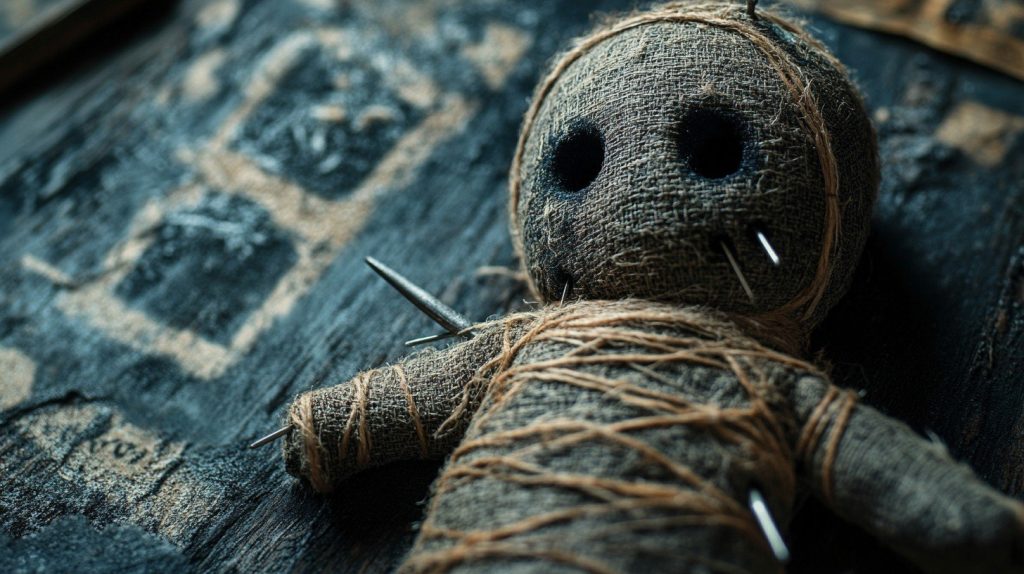
Some items are more likely to hold energy than others. Paranoral investigators often encounter these categories:
- Mirrors: Long regarded as portals between worlds, mirrors are believed to reflect not only our image but the energy that surrounds us. Negative rituals or emotional events conducted near mirrors can sometimes “trap” energy within them.
- Dolls and Figurines: Human-like objects have a long history of being used as vessels in spiritual and occult practices. They provide a familiar “form” for energy to attach to, which is why dolls are frequently associated with hauntings.
- Jewellery: Rings, necklaces and lockets that are worn close to the skin absorb a person’s energy over time. Jewellery linked to grief or tragedy is especially known for holding intense emotional residue.
- Antique Furniture and Heirlooms: Items that have passed through many owners often absorb layers of emotional energy, both positive and negative. Chairs, desks and wardrobes are common examples of furniture that seem to hold a presence.
- Musical Instruments: Music is emotional energy expressed through sound. Instruments connected to passionate or sorrowful musicians can retain that energy long after their owner’s passing.
Why Spirits Attach Themselves to Objects
There are several prevailing theories as to why spirits or energies become connected to inanimate objects:
1. Emotional Imprint Theory
Powerful emotions, such as grief, love or anger, can leave behind energetic traces. Just as a location can be imprinted with trauma or emotion, so too can an object.
2. Ownership Attachment
Some spirits stay connected to possessions they deeply valued in life. Jewellery, photographs or personal keepsakes can act as anchors for these attachments.
3. Tragic or Violent Energy
Objects linked to sudden deaths or intense traums often absorb the energy of those events, creating residual hauntings or emotional echoes.
4. Intentional Binding
Certain spiritual or occult practices intentionally bind a spirit or entity to an object, sometimes for protection, sometimes for power and occasionally for darker motives. These are often the most dangerous types of haunted objects, as they involve deliberate energy manipulation.
Residual vs. Intelligent Attachments
Not all haunted objects behave in the same way. Paranormal investigators generally categorize hauntings into two main types:
Residual Energy
Residual energy is like a recording. The object replays an event, emotion or vibration, but there’s no conscious spirit attached. You might experience cold spots, tingling sensations or feelings of nostalgia, but it won’t interact with you directly.
Intelligent Attachments
An intelligent attachment involves an active spiritual presence. These entities are aware, capable of interaction and may communicate through EVP recordings, spirit boxes or physical movement. Investigators often experience spikes in EMF readings or responses to direct questions in these cases.
Signs an Object Might Be Haunted
Think you might have a haunted object in your home? Here are some of the most common indicators:
- Sudden cold spots or changes in temperature around the item.
- Batteries draining rapidly or electronics malfunctioning nearby.
- Feelings of heaviness, dread or being watched when near the object.
- Unusual movements, sounds or shadows around it.
- Pets behaving nervously or avoiding it altogether.
- Reoccurring nightmares featuring the item.
- Emotional shifts, such as anger or sadness, when handling it.
If multiple signs appear, it’s worth taking a closer look through proper investigative methods.
Famous Haunted Objects in Paranormal History
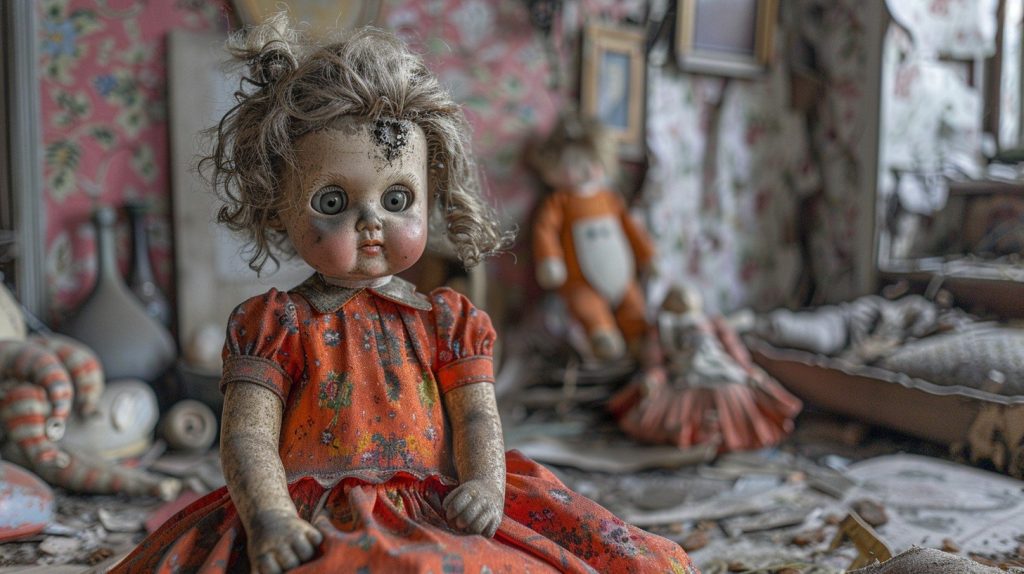
Annabelle the Doll (USA)
The Annabelle doll, made infamous by The Conjuring franchise, is based on a real Raggedy Ann doll investigated by Ed and Lorraine Warren. It was reportedly possessed by an inhuman spirit pretending to be a child. Over time, the doll’s activity escalated, with witnesses describing movements, written notes and even violent encounters. Today, Annabelle is sealed in a blessed flass case at the Warren’s Occult Museum in Connecticut.
The Dybbuk Box
Originating from jewish folklore, a Dybbukk is said to be a malicious spirit capable of attaching itself to physical objects. The no famous Dybbuk Box, purchased at an estate sale in the early 2000s, brought with it nightmares, health issues and unexplained phenomena for every new owner. Even when sealed and stored away, witnesses reported strange noises and the smell of jasmine or cat urine, scents often associated with spirit manifestation.
Robert the Doll (Key West, Florida)
One of the most infamous haunted dolls in the world, Robert was ornwed by artist Robert Eugene Otto in the early 1900s. The family reported hearing the doll giggle, change expression and move on its own. Today, Robert resides in a museum in Key West, and it’s tradition to ask for his permission before taking a photo. Visitors who fail to do so often write letters apologizing for the bad luck that follows.
The Busby Stoop Chair (United Kingdom)
In 1702, Thomas Busby was executed for murder but not before cursing his favourite chair, declaring that anyone who sat in it would meet death. Over the centuries, soldiers,, workers and even delivery men reportedly died shortly after taking a seat. The chair is now hung from the ceiling of a museum to ensure no one can sit in it again.
These stories serve as chilling reminders that spiritual attachments can exist anywhere, even in the most ordinary of objects.
How to Handle or Cleanse a Haunted Object
bringing home a haunted item doesn’t always mean danger, but it does require awareness and respect. Paranormal Investigators follow structured methods when handling, studying or cleansing such objects.
1. Research the Objects History
The first step is always information gathering. Where did it come from? Who owned it previously? Was it involved in a significant or tragic event? Understanding the story behind the item often provides vital context for the energy it carries.
2. Document All Activity
Before cleansing or disposing of the object, document everything. Take notes, record EMF readings, capture photos and set up static night-vision cameras if needed. This data helps determine whether activity changes after cleansing.
3. Choose an Appropriate Cleansing Method
Depending on your personal belief system and the nature of the attachment, one or more of the following may be used:
- Smoke Cleansing: Use sage, palo santo or incense to cleanse the item while focusing your intention on releasing trapped energy. Move the smoke around the object while saying aloud that only peace and light may remain.
- Salt Cleansing: Place the object in a bowl of sea salt or surround it with a salt ring. Salt is believed to neutralize negative energy and prevent further attachment. Replace the salt after 24 hours.
- Sound Cleansing: Sound waves can disrupt stagnant or dark energy. Use bells, chimes or singing bowls around the item to reset its energetic frequency.
- Prayer, Affirmation or Visualization: Speak directly to the energy with confidence. Whether through prayer or affirmation, set clear boundaries: the spirit or energy must move on to peace and release its attachment.
- Moonlight or Sunlight Exposure: Leaving an object in natural light, particularly under a full moon, can help cleanse residual energy. This method is often used for crystals, jewellery or natural materials.
4. Respect the Energy
Never mock or challenge a spirit believed to be attached to an object. Investigators know that intet is everything, negativity can feed negative energy. Always handle the object calmly and respectfully.
5. Containment and Isolation
If activity persists, consider isolating the object. Place it in a sealed container lined with salt, wrap it in black cloth and store it away from living areas. Never keep potentially dangerous items in bedrooms or near children and pets.
6. Seek Professional Assistance
If cleansing fails or activity escalates, reach out to experienced paranormal investigators or spiritual practitioners. Professionals can safely contain or remove haunted items using appropriate rituals or containment protocols.
Why Paranormal Investigators Study Haunted Objects
For teams like Paranormal Down Under, haunted objects are invaluable research opportunities. They allow investigators to study how emotional or spiritual energy interacts with matter, and how certain frequencies may influence paranormal activity.
Equipment such as EMF detectors, EVP records and spirit boxes help detect and document intelligent responses. Studying haunted objects also contributes to a deeper understanding of how consciousness, emotion and energy may persist beyond death, and why some spirits choose to remain tethered to the physical world.
Final Thoughts: Respect What Lingers
Whether you’re a paranormal investigator or simply fascinated by the supernatural, haunted objects remind us of one thing: energy nevery truly disappears.
Each item tells a story, some filled with love and memory, others shadowed by grief and tragedy. For investigators, these artifacts are more than curiosities: they’re pieces of evidence that bridge the gap between our world and what lies beyond.
So next time you’re browsing an antique shop or unpacking a family heirloom and feel that sudden chil, pause for a moment. You might just be holding history… or something that refuses to let go.