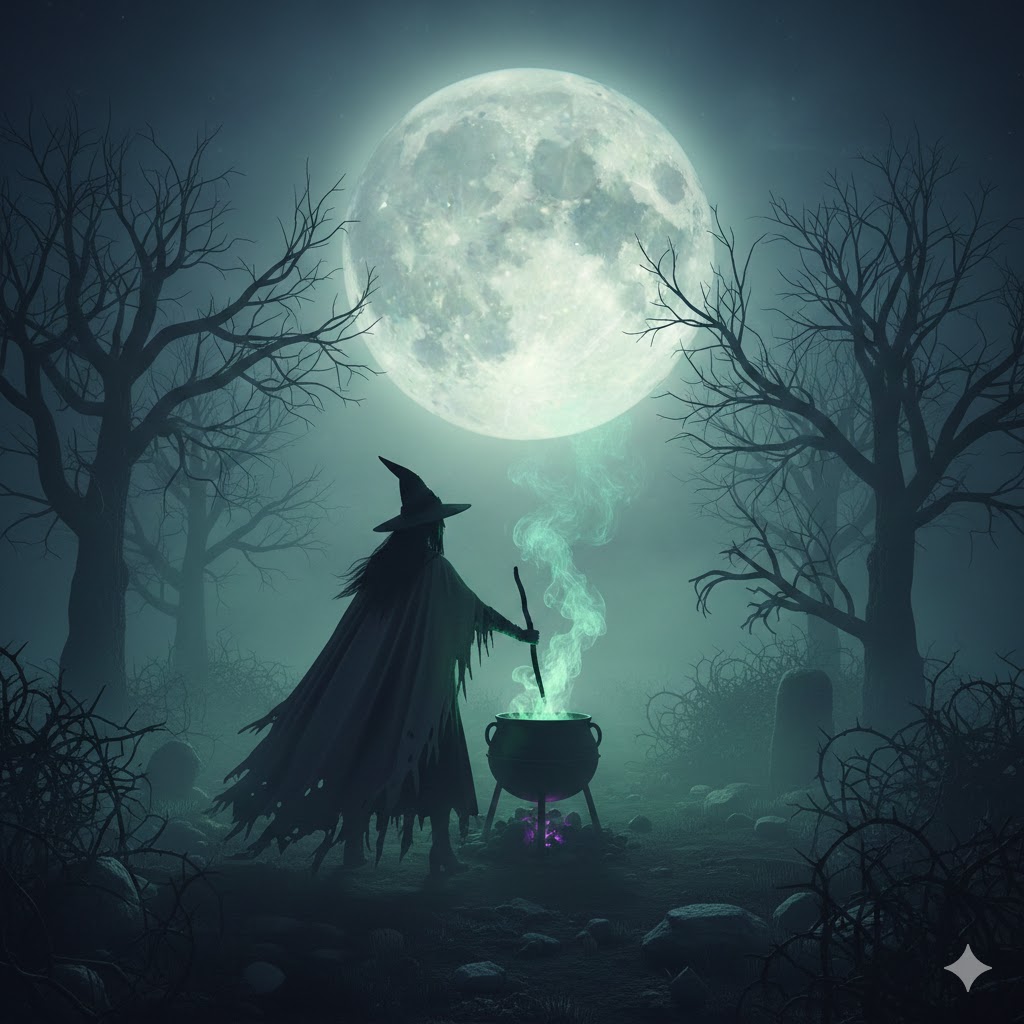
For thousands of years, witches have existed at the centre of human mythology, culture, healing and spiritual practices. Yet no other figure in history has been so misunderstood, feared, rewritten, weaponised or misrepresented. The word witch instantly evokes images of cauldrons broomsticks, pointed hats and malevolent magic – but none of this reflects the original meaning or purpose of witchcraft across cultures.
Long before the witch trials and Hollywood stereotypes, witches were healers, herbalists, astrologers, midwives, diviners, spirit communicators and keepers of ancient wisdom. They were leaders within their communities, spiritual protectors and crucial holders of practical knowledge that kept early societies alive.
Today we are going to take a deep-dive into:
- Who witches really are
- The complete historical timeline of witchcraft
- The moment witches became “evil”
- How different cultures viewed and practiced witchcraft
- The psychological, anthropological and spiritual roots of witchcraft
- The survival and transformation of witchcraft into the modern era
By the end, you’ll see the witch not as a villain, but as one of the most powerful and resilient archetypes in human history.
What is a Witch? The Core Definition
Across history, a witch is generally understood as someone who:
- Works with natural forces: herbs, lunar cycles, seasons, natural energies and elemental forces.
- Engages in spiritual or magical practices: This includes divination, ritual ancestor work, spellcraft and energetic manipulation.
- Holds specialised knowledge: Medicine, astronomy, protection magic, childbirth, healing and folklore.
- Acts as a mediator: Between the physical world and the spiritual or unseen world.
- Serves the community: Historically, witches offered remedies, guidance, protection and spiritual insight.
The negativity surrounding witches came much later, driven by politics, fear and organised religion.
The Complete Historical Timeline of Witchcraft
1. Prehistoric Spirituality (30,000 BCE – 5,000 BCE)
The Dawn of Magic and Ritual
The earliest evidence of witchcraft-like practices appears in prehistoric cave sites:
- Ritual tools
- Bone charms
- Carved goddess figures
- Shamanic burial sites
- Cave paintings of ritual dances
These early spiritual leaders:
- Interpreted signs
- Healed the sick
- Guided tribes through visions
- Used herbs medicinally
- Communicated with spirits, animals and ancestors
This was the first form of “witchcraft” although the word did not yet exist.
2. Ancient Civilisations (5,000 BCE – 500 CE)
Witchcraft predates written history, but once writing emerged, magical practitioners were recorded everywhere.
Sumer & Babylon
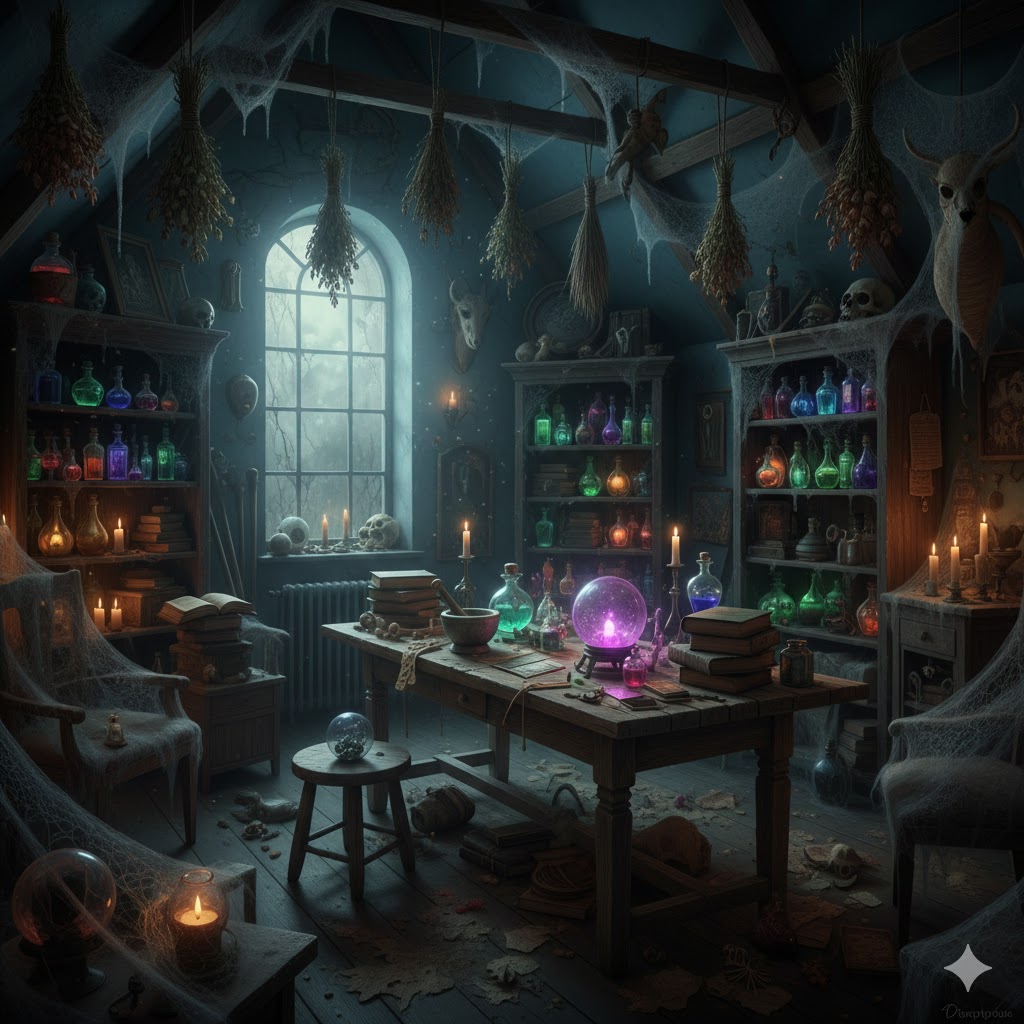
One of the earliest known magical traditions.
Practitioners performed:
- Healing spells
- Divination using oil, water and celestial movements
- Ritual cleansings
- Curse protection
Some harmful magic was acknowledged, but healing magic was revered.
Ancient Egypt
Magic (heka) was considered a divine power. Priests, priestesses and healers used:
- Ritual incantations
- Amulets
- Herbal medicine
- Spirit work
- Dream interpretation
Witchcraft wasn’t evil – it was essential
Ancient Greece
Greek society recognised two major types of magic:
- Theurgia – divine magic used for communication with gods
- Mageia – practical or personal magic
Famous mythological witches (Circe, Medea, Hecate) appear, but real witches were typically healers, midwives or oracle-style practitioners.
Ancient Rome
Rome categorised magic into:
- Healing magic (allowed)
- Love spells (frowned upon)
- Cursing (illegal)
Still witches were not yet portrayed as devil worshippers – because the Devil concept didn’t exist in Rome.
3. Early Middle Ages (500 – 1300 CE)
Folk Magic, Pagan Practices & the Rise of Christianity
As Christianity spread through Europe, it absorbed older pagan traditions. Rural communities continued practicing:
- Herbal Medicine
- Protection charms
- Seasonal rituals
- Divination
- Ancestral offerings
These practitioners were known as:
- Cunning folk
- Wise women
- Wise men
- Herbwives
- Seers
Contrary to modern assumptions:
The Early Christian Church Did Not Believe Witches were Real
Witchcraft was considered superstition.
This is the period when witchcraft was still neutral or positive.
4. The Turning Point: When Witches Became “Evil” (1300 – 1700 CE)
This era marks the single largest shift in the history of witchcraft.
Why Did it Happen?
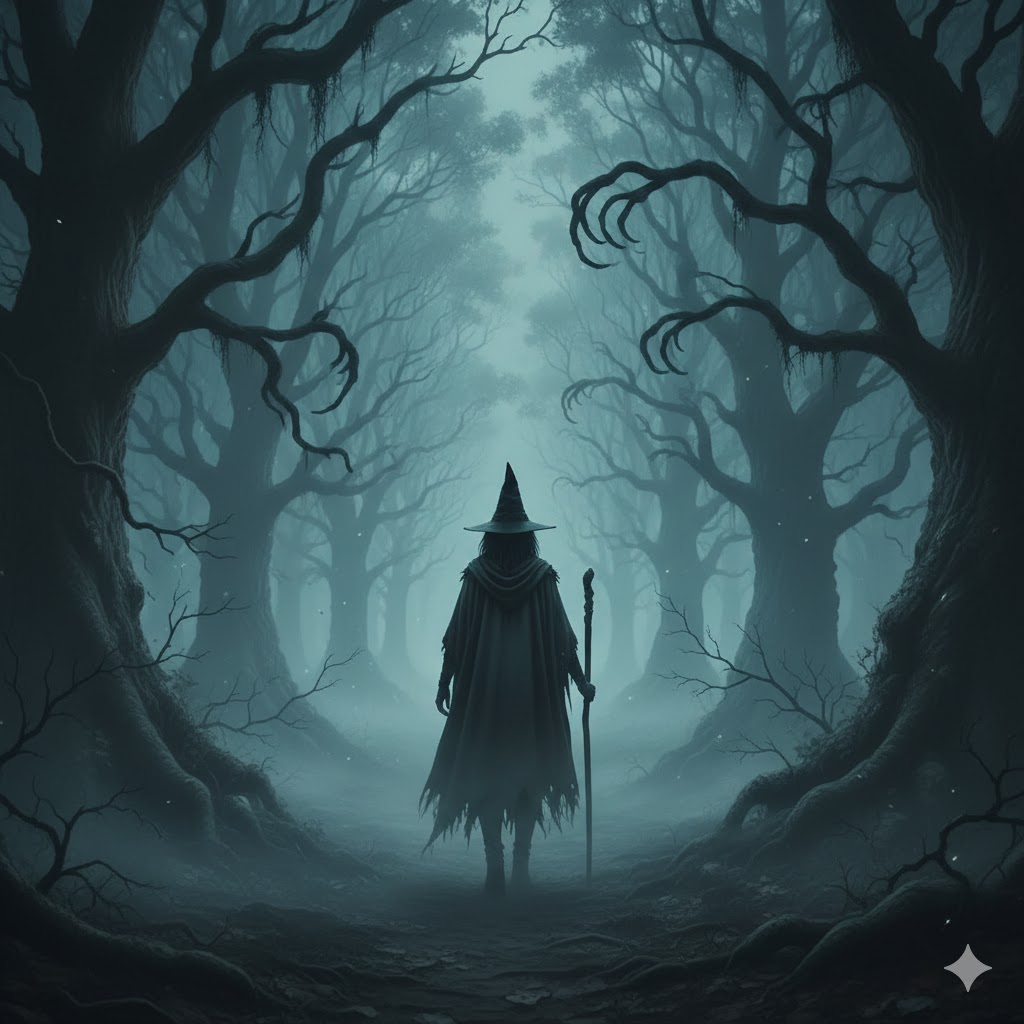
Europe was suffering:
- The Black Plague
- Famine
- Political instability
- Economic collapse
- Religious conflict – which lead to fear of the unknown
People needed a scapegoat – and the Christian Church offered one.
The Malleus Maleficarum (1467)
This book changed everything.
It claimed:
- Witches were real
- Witches were evil
- Witches worshipped Satan
- Women were more likely to be witches
- Torture should be used for confessions
This was propaganda, but devastatingly effective.
The idea of witches suddenly shifted from “wise healers” to “Agents of the Devil”. This concept never existed before the late middle ages.
5. The Witch Trials (1500-1700s)
The witch hunts were a systematic attempt to eliminate midwives, healers, herbalists and spiritually independent people.
Major events include:
- The Scottish Witch Trials
- The German Witch Trials
- The Basque Witch Trials
- The Pendle Witches (England)
- The Salem Witch Trials (USA)
- The Torsaker Executions (Sweden)
Millions were accused, tens of thousands were executed.
Most common targets were:
- Women who lived alone
- Widows
- Midwives
- Herbalists
- Healers
- People with land or inheritance
- Those with unusual knowledge
- Anyone who defied the Christian Church
The purpose was control – not truth
6. The Decline of Witch Hunts (1700-1900s)
Why the decline?
- Scientific progress
- Medical advancements
- Legal reforms
- Changes from Christian attitudes – went from executing and hunting to just shunning
- Public scepticism
- Enlightenment philosophy
Witchcraft shifted again – from a demonised practice to a subject of folklore, literature and anthropology.
7. 20th Century Rebirth of the Witch (1900 – today)
The Witchcraft Revival
In the 20th century, witchcraft became reinterpreted as:
- A nature-based spiritual path
- A form of empowerment
- A reclaiming of ancient practices
- A feminist movement
- A return to pre-christian traditions
Gerald Gardners Wicca movement in the 1950s popularised the modern witch, and by the 1990s-2000s, witchcraft had become mainstream.
Todays witches blend:
- Ancient practices
- Folklore
- Energy work
- Herbalism
- Astrology
- Divination
- Modern spiritual techniques
And they are far from few the villains history once portrayed.
Witchcraft Across the World: An In-Depth Cultural Overview
European Witchcraft
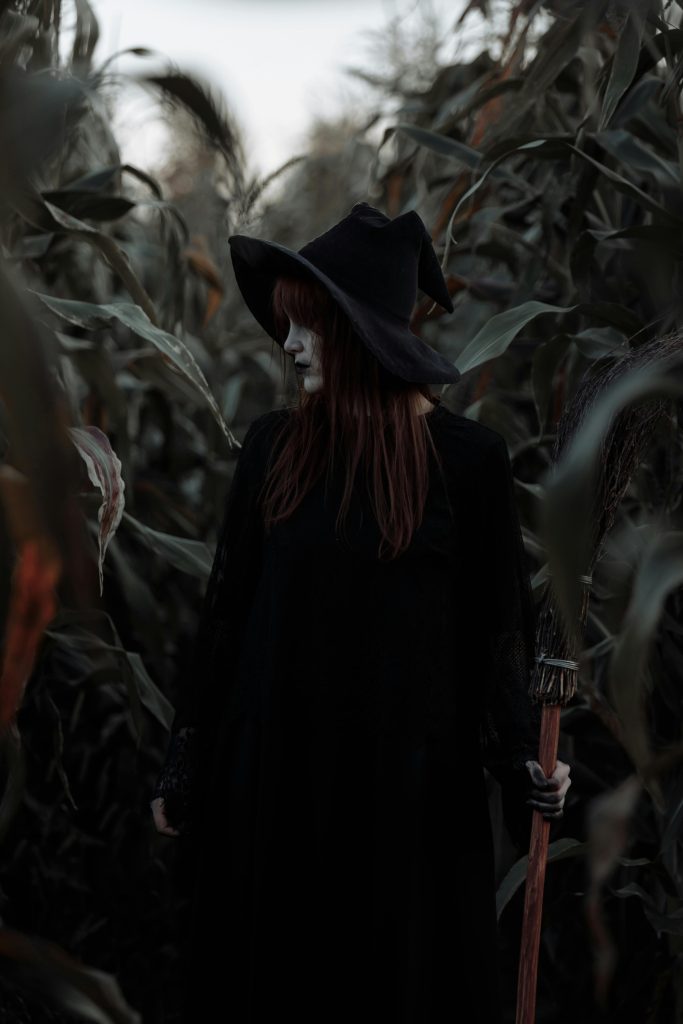
Rooted in Celtic, Germanic and Slavic traditions.
practices include:
- Nature worship
- Seasonal sabbats
- Herbal healing
- Kitchen witchcraft
- Divination (runes, tarot, scrying)
- Ancestor work
Europe is also where the “evil witch” stereotype was born.
African Witchcraft
Africa contains some of the most diverse magical traditions.
Key roles:
- Sangomas (South African healers)
- Inyangas (herbal practitioners)
- Babalawos (yoruba priests)
- Spirit mediums
African witchcraft acknowledges both healing and harmful magic, depending on the culture.
Indigenous Australian Spirituality
Not witches in the European sense, but similar roles exist.
- Spirit doctors
- Dreamtime interpreters
- Ceremony leaders
- Healing experts
Their practices go back over 60,000 years
Native American Practices
Tribal practitioners include:
- Medicine people
- Shamans
- Spirit communicators
- Herbalists
- Dream-walkers
Each tribe has its own spiritual laws and taboos.
Asian Witchcraft Traditions
Japan
- Onmyodo
- Folk sorcery
- Spirit interaction
China
- Taoist magic
- Herbal alchemy
- Ancestral rites
India
- Village magic
- Tantric traditions
- Sirit appeasement
Some Indian communities still recognise witches as spiritual practitioners.
Middle Eastern Magic
The Middle East is one of the earliest sources of magical scripture.
It Includes:
- Babylonian incantations
- Hebrew mysticism
- Djinn magic
- Protective charms
- Dream interpretation
The region has a complex relationship with witchcraft that predates religion.
The Psychological & Anthropological Roots of Witchcraft
Witchcraft emerges in every culture, which indicates:
Humans natural seek:
- Explanations for the unknown
- Spiritual guidance
- Ways to influence their environment
- Healing rituals
- Protective practices
Witchcraft is the worlds most ancient toolkit for coping with life, death, fear, illness and mystery.
The Witch Archetype – Why it Endures
The witch is a powerful archetype because it represents:
- Knowledge
- Independence
- Rebellion
- Intuition
- Power
- Connection with nature
- Ancestral memory
These are all traits that threaten oppressive systems.
This is why witches were targeted – not for magic, but for power outside authority. Back in those days, that meant outside the range of what the Christian church wanted.
Modern Witches: Who They are Today
Todays witches can be:
- Wiccans
- Green witches
- Elemental witches
- Solitary practitioners
- Ritual magicians
- Folk witches
Modern witchcraft is often:
- Nature-based
- Spiritually flexible
- Healing-focused
- Empowering
- Ancestral
- Personal
- Protective
Far from the villains of medieval propaganda, witches today are once again healers, guides and wisdom-keepers.
Final Thoughts: Reclaiming the Truth About Witches
Witches have existed since the beginning of human civilisation. They have been:
- respected
- feared
- celebrated
- demonised
- persecuted
- misunderstood
- reclaimed
Their story mirrors the story of humanity itself – our fears, beliefs, struggles and aspirations.
To understand witches is to understand the oldest spiritual roots of humanity and the strength of those who kept this knowledge alive, despite centuries of suppression.
Witches were never the enemy. They were – and remain – the keepers of ancient wisdom.
Related Posts
- https://paranormaldownunder.com/why-hauntings-happen-history-energy-residual-hauntings/research/
- https://paranormaldownunder.com/mirrors-as-portals-between-two-worlds/research/
- https://paranormaldownunder.com/respecting-sacred-historic-sites-paranroaml-investigation/research/
- https://paranormaldownunder.com/samhain-ancient-celtic-festival/research/
- https://paranormaldownunder.com/spirit-guides-history-types-and-communication/types-of-entities/